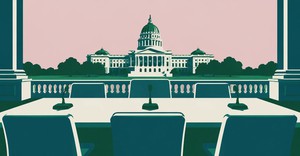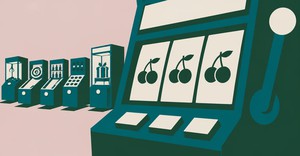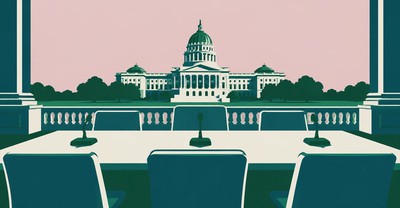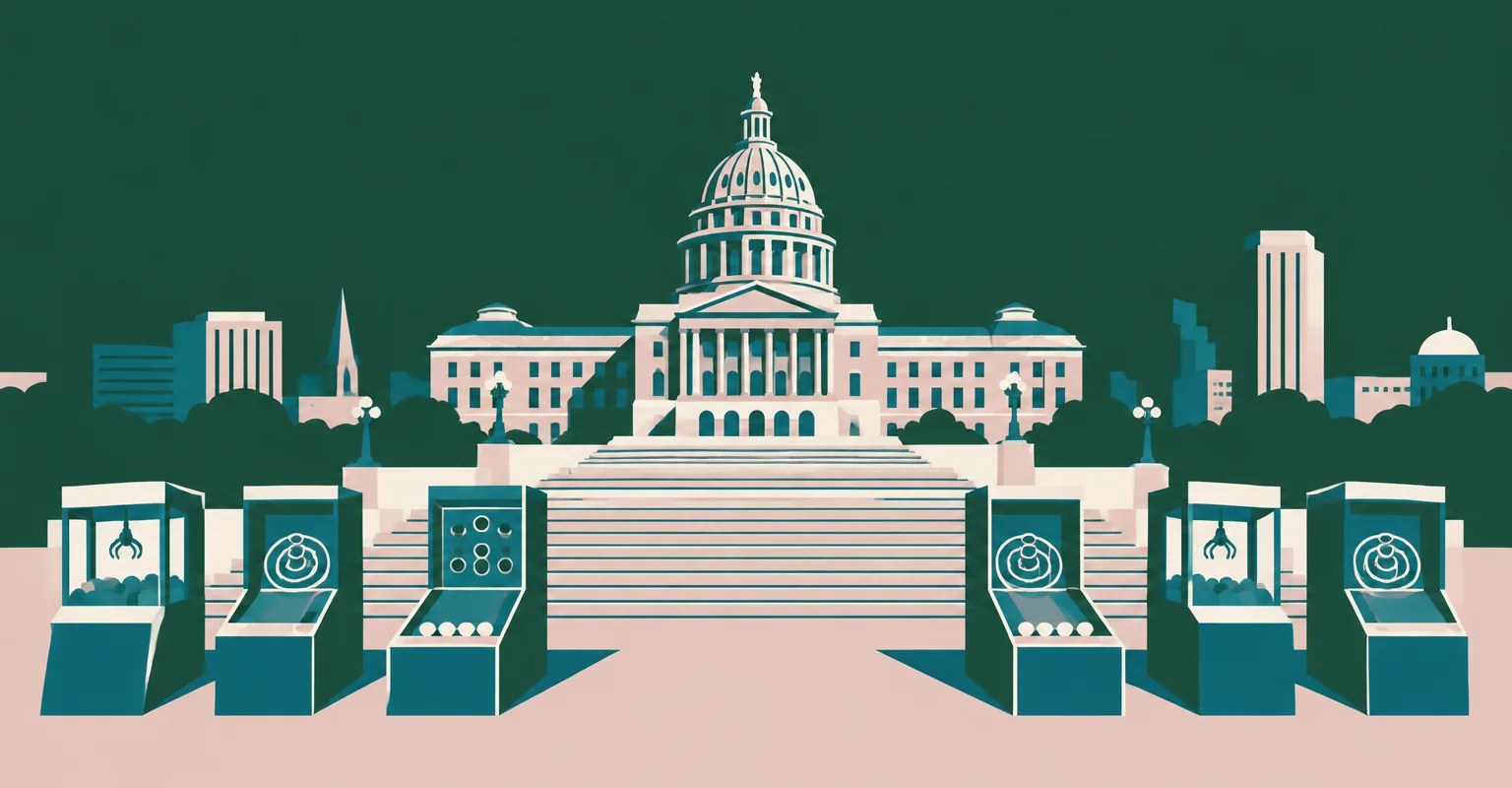
About 350 people gathered on the steps of the Pennsylvania Capitol on Wednesday to press lawmakers to regulate and tax skill games after the state Supreme Court ruling.
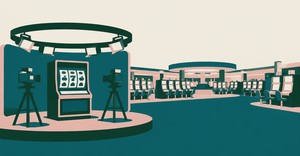
The court said on June 15 that the machines are illegal gambling devices subject to Pennsylvania’s Gaming Act and Crimes Code. Lawmakers had debated how to regulate the machines for years before that ruling, and the court’s 120-day safe harbor leaves them until October before enforcement can begin and machines can be seized.
City & State PA reported that Senate Bill 1079, sponsored by state Sens. Gene Yaw and Anthony H. Williams, would impose a $500 monthly fee on each terminal, cap the state total at 50,000 and raise about $300 million a year. WESA said estimates put the number already in operation at about 70,000, and it reported that a bipartisan group of lawmakers joined the rally and that House members Dan Goughnour and Jeremy Shaffer have cosponsored the fee measure.
Gov. Josh Shapiro has backed a very different plan, with a 52% tax on gross terminal revenues, a cap of 40,000 licensed skill machines and video game terminals, and a limit of five machines at any establishment. Spotlight PA said his administration estimates the proposal could raise more than $2 billion a year, while Senate Republicans have proposed a 35% rate.
AOL reported that Tim Sholly of the Annville VFW said 20% was the highest tax rate he would support. He said his business would not be able to donate as much or as often without skill games, and some VFW managers warned that heavier taxation would take money away from their communities.
Doug Sprankle said skill games were a lifeline for small businesses and other organizations across Pennsylvania, and that supporters wanted a fair tax and regulation to protect them from bad actors and micro-casinos. He said more than 1,000 businesses could be affected by the ruling.
The political stakes are now tied to the budget fight in Harrisburg. Philadelphia state Sen. Anthony Williams said supporters of skill games have leverage in the talks, and Senate Democratic leader Jay Costa said the ruling pushed the issue into the middle of the budget debate.
Senate Republican leaders said gaming reform would be a critical part of this year’s budget cycle, and they argued that any new revenue should go into the General Fund. Other lawmakers had previously suggested using the money for transportation projects such as roads, bridges and public transit.
The debate has also widened into questions of consumer protection and where the machines should be allowed. Chris Gebhard wants Gaming Control Board oversight and limits to Liquor Control Board-regulated venues, while Rep. Ben Waxman’s bill would add speed-of-play and daily-loss limits and let local governments ban the machines. Josh Ercole of the Council on Compulsive Gambling called for break reminders, operator training, self-exclusion rules and tighter placement limits, and Philadelphia Mayor Cherelle Parker said the machines are concentrated in vulnerable communities.
WESA also reported that local levies already exist in some places, including Pittsburgh’s amusements tax and a $1,000 annual fee on the machines, and that about one in four municipalities charge a levy. The court’s stay leaves lawmakers until October to settle a statewide framework before enforcement begins.