Pennsylvania’s bipartisan Joint State Government Commission has recommended that lawmakers bar credit-card gambling, require bettors to set limits before they play and tighten gambling advertisements, in a staff study released on Monday.
The study is titled Sports Betting and Related Interactive Gambling in Pennsylvania and was produced as a staff study 2026 under House Resolution No. 60 of 2025. It describes gambling addiction as “an urgent and escalating public health challenge.”
The report also draws a line between two ways forward. One is to move quickly with broad safeguards that could reduce harm sooner but may dent revenue. The other is a slower approach built around more careful study and anonymized player data.
That revenue context is large. Pennsylvania legalized online casinos in 2017 and now has the largest online gambling market in the country. The state recorded $7.7 billion in total gambling profits in 2025, which the Associated Press said was growing 10 times as fast as Nevada’s.
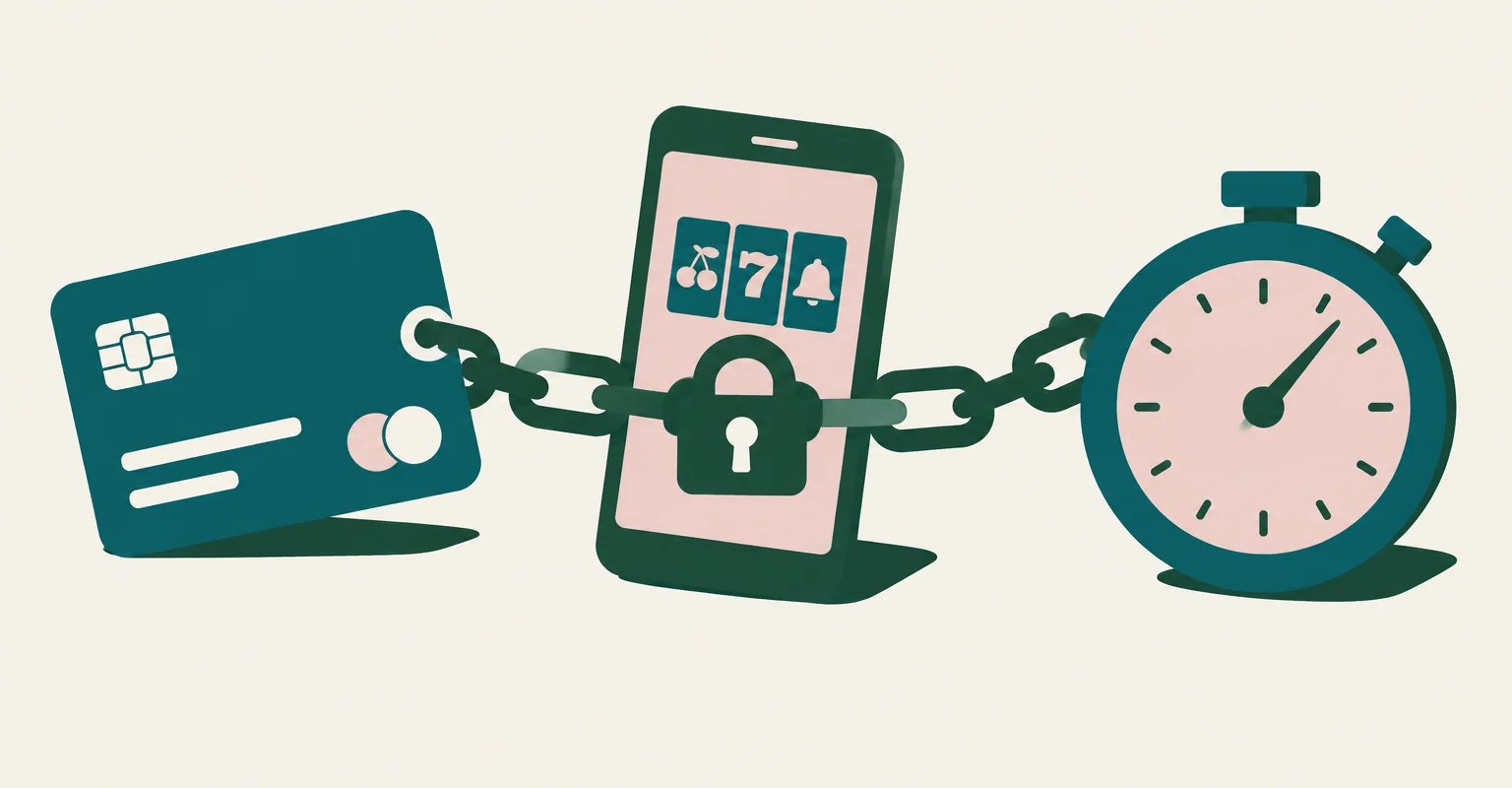
Among the faster measures, the commission wants companies barred from accepting credit cards for deposits, similar to rules already in place for in-person casinos. It also wants gamblers to set ahead of time how much money and time they are willing to lose, rather than opting in later.
The study goes further on advertising and promotions. It backs tighter limits on offers shown to people who are not logged into their accounts, bans promotions generated by artificial intelligence, and supports restrictions on autoplay, in-game microbets that settle within seconds and VIP programmes tied to deposits, losses or betting volume.
Next.io, which reviewed the study, said it also targeted campus marketing, repeated ad saturation and sports wagering on public-school property, with geolocation controls potentially extending that restriction to public universities.
To justify the crackdown, the authors said they found only three credible estimates of how much gambling profit may come from people with a disorder. Those estimates ranged from 5% of gamblers producing 75% of casino profits in Connecticut, to 0.5% of bettors accounting for more than 70% of PointsBet’s profits, to a British study finding 5% of gamblers responsible for two-thirds of profits.
The report says online gambling was mentioned in more than half of calls to 1-800-GAMBLER, and that self-exclusions rose nearly 65% over the previous year. It also says a 2025 Pennsylvania assessment put the potential problem-gambling rate for sports betting at 2.5% to 6.4%, with 27.9% to 29.9% classified as at risk.
Pennsylvanians are at least twice as likely to suffer from a gambling addiction as the country as a whole, according to one estimate cited in the reporting. The Pennsylvania Psychiatric Society and the Pennsylvania Society of Addiction Medicine welcomed the recommendations, and Kavita Fischer said the report made clear that gambling is a public health issue.
State Sen. Wayne Fontana, who held a hearing in Pittsburgh in May and proposed bills including one to bar online casinos from accepting credit cards, said the goal was not to shut down the industry. A Pennsylvania Gaming Control Board spokesperson said the agency had just received the report and was looking it over.
Separately, the Department of Drug and Alcohol Programs said state law requires it to produce an annual assessment of interactive gaming’s impact under Act 42 of 2017, funded by fees assessed on interactive gaming licensees, and that its findings drew on a 2022 survey of more than 1,993 people across Pennsylvania.